Cluster C Personality Test: Avoidant, Dependent, OCPD Traits
Do you often feel like an anxious perfectionist? Highly sensitive to criticism? Do you struggle to make decisions without constant reassurance? If so, you're not alone. Many people experience these persistent traits, and it can feel overwhelming. These feelings might lead you to wonder if your patterns align with what mental health professionals call a Cluster C personality disorder.
This guide explores the three personality styles within this cluster: Avoidant (AvPD), Dependent (DPD), and Obsessive-Compulsive (OCPD). We'll help you understand their unique characteristics, see how they differ, and show you how an online screening can be a first step toward valuable self-awareness. If you're ready to explore these patterns in a safe and confidential way, you can gain initial clarity with a structured self-assessment.
Understanding Cluster C: The "Anxious" Personality Disorders
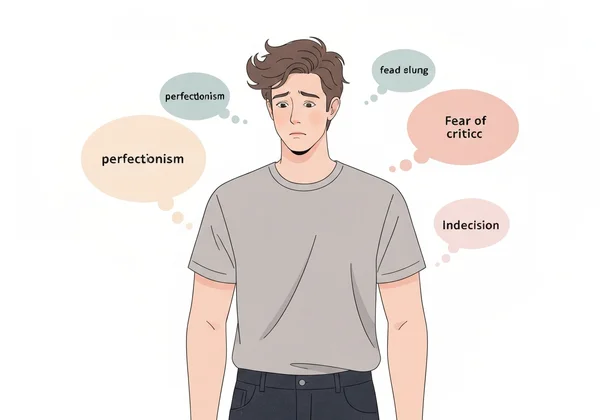
The common thread connecting the three Cluster C personality disorders is a deep-seated experience of anxiety and fear. We all feel anxious sometimes. But for those with Cluster C traits, it's different. Anxiety drives their thoughts, feelings, and actions in nearly every part of life.
Common Themes & Characteristics of Cluster C
Individuals with prominent Cluster C traits often experience a world colored by fear. This isn't necessarily a fear of a specific object or situation, but a more pervasive sense of apprehension that shapes their personality. Key themes include:
-
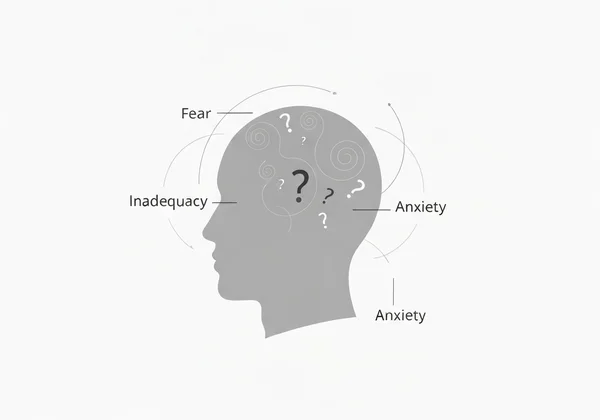
Pervasive anxiety and tension: A constant feeling of being on edge or worried.
-
Fear-based decision-making: Choices are often made to avoid potential conflict, rejection, or failure rather than to pursue goals or desires.
-
A deep sense of inadequacy: A persistent belief that they're not good enough, socially inept, or inferior to others.
-
Difficulty with uncertainty: A strong need for predictability, reassurance, and control to manage underlying anxiety.
Differentiating Personality Disorders from General Anxiety
It's crucial to understand the difference between having an anxious personality and having a clinical anxiety disorder. Many people are naturally cautious or shy. However, a personality disorder is defined by long-term, rigid patterns of behavior and inner experience that cause significant distress or impair functioning in work, relationships, or other important areas.
Picture this: Someone with everyday anxiety might sweat a job interview. But with AvPD traits, the rejection fear is so intense they skip applying altogether. The pattern is deeper, more consistent, and much harder to change.
Avoidant Personality Disorder (AvPD) Traits & Screening Insights
At the heart of Avoidant Personality Disorder traits is an intense fear of rejection, criticism, or disapproval. This isn't just shyness; it's a powerful force that leads to significant social inhibition and a feeling of personal inadequacy.
Recognizing AvPD: Fear of Rejection & Social Inhibition
People with strong AvPD traits are often preoccupied with being criticized or rejected in social situations. They want to connect with others but are held back by an overwhelming fear of saying or doing the wrong thing. This can lead to:
- Avoiding jobs or activities that involve significant interpersonal contact.
- Being unwilling to get involved with people unless they are certain of being liked.
- Showing restraint within intimate relationships due to fear of being shamed or ridiculed.
- Viewing themselves as socially inept, personally unappealing, or inferior to others.
This pattern can make it incredibly difficult to build the personal and professional relationships that are vital for a fulfilling life.
How an AvPD Test Can Offer Initial Self-Understanding
Does this sound like you? If so, taking an avoidant personality disorder test can be a valuable first step. A science-based screening asks targeted questions. It helps you reflect on social avoidance and feelings of inadequacy. This private space lets you explore if your fears are part of a consistent pattern, offering a foundation for initial self-understanding.
Dependent Personality Disorder (DPD) Traits & Screening Insights
Dependent Personality Disorder traits are characterized by a pervasive and excessive need to be taken care of. This leads to submissive and clinging behavior, as well as a deep-seated fear of separation or abandonment.
Identifying DPD: Submissiveness & Excessive Need for Reassurance
People with strong DPD traits lack self-confidence. They feel unable to handle life alone. This core belief drives a powerful need for others to assume responsibility for major areas of their lives. Key indicators include:
- Difficulty making everyday decisions without an excessive amount of advice and reassurance.
- Needing others to assume responsibility for most major areas of their life.
- Fear of disagreeing with others because it might lead to a loss of support or approval.
- Feeling uncomfortable or helpless when alone because of exaggerated fears of being unable to care for themselves.
- Urgently seeking another relationship as a source of care and support when a close relationship ends.
What a DPD Test Can Reveal About Your Relational Patterns
A dependent personality disorder test can illuminate these specific relational dynamics. The questions are designed to help you see how your need for reassurance and fear of being alone might be influencing your relationships and life choices. By answering honestly, you can begin to recognize how these patterns affect your autonomy and well-being. This process can help you explore your patterns in a way that feels objective and non-judgmental.
Obsessive-Compulsive Personality Disorder (OCPD) Traits & Screening Insights
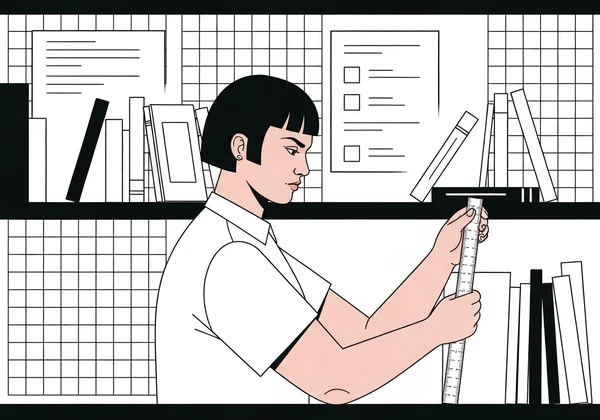
Obsessive-Compulsive Personality Disorder (OCPD) is marked by a preoccupation with orderliness, perfectionism, and control. This focus often comes at the expense of flexibility, openness, and efficiency. It's important to note that OCPD is different from Obsessive-Compulsive Disorder (OCD). OCD involves unwanted thoughts (obsessions) and repetitive behaviors (compulsions). In contrast, OCPD is a pervasive personality style defined by rigidity and control.
Key Indicators of OCPD: Perfectionism, Control & Orderliness
The drive for perfection in OCPD is so strong that it can interfere with task completion. The focus on getting things "just right" can mean that projects are never finished. Common traits include:
-
Being preoccupied with details, rules, lists, order, or schedules to the extent that the major point of the activity is lost.
-
Showing perfectionism that interferes with task completion (e.g., is unable to complete a project because their own overly strict standards are not met).
-
Being excessively devoted to work and productivity, often excluding leisure activities and friendships.
-
Showing rigidity and stubbornness, and being inflexible about matters of morality, ethics, or values.
-
Being reluctant to delegate tasks or to work with others unless they submit to exactly their way of doing things.
Using an OCPD Test for a Preliminary Self-Assessment
If you feel your life is governed by rigid rules and an unrelenting need for perfection, an obsessive compulsive personality disorder test can offer a preliminary self-assessment. It helps you evaluate the degree to which these traits impact your life, relationships, and overall happiness. A structured screening can provide the perspective needed to see if your dedication to order has crossed a line into inflexible patterns that cause you or others distress.
Comparing Cluster C Disorders: Similarities and Key Differences
While AvPD, DPD, and OCPD all stem from anxiety, their core motivations and behaviors are distinctly different. Understanding these nuances is key to gaining clarity.
Overlapping Symptoms vs. Distinct Motivations
All three types may struggle with social relationships and making decisions. However, the reason for the struggle is the most important clue:
- Similarity: All three can lead to social isolation and difficulty in relationships.
- Key Difference in Motivation:
- A person with AvPD traits avoids relationships out of a deep fear of rejection. They believe they are unworthy and will be criticized.
- A person with DPD traits clings to relationships out of a deep fear of abandonment. They believe they cannot function alone.
- A person with OCPD traits struggles in relationships because of their deep need for control. Their rigidity and perfectionism can push others away.
Why a Comprehensive Cluster C Test is Crucial for Clarity
Because of these overlapping symptoms, it can be tough to distinguish which patterns are most prominent. That's why a broad screening tool is so helpful. A quality Cluster C personality test assesses traits from all three categories, helping you see where your own tendencies lie. It moves beyond a simple label to offer a more nuanced picture of your personality. That's what makes a comprehensive test such a crucial tool for clarity.
Your Path Forward After Taking the Cluster C Personality Test
Getting your initial screening insights is a key moment. It’s the beginning of a journey, not the end. Here’s how to think about your results and what to do next.
Interpreting Your Initial Results: This Is Not a Diagnosis
It is essential to remember that an online screening tool is not a substitute for a professional diagnosis. Your results are designed to be a starting point for self-understanding. They can highlight potential areas of concern and provide you with the language to describe your experiences. Think of it as a helpful guide that points you in the right direction, not a definitive conclusion.
Next Steps: Seeking Professional Support & Building Resilience
If your results indicate that you have strong traits associated with a Cluster C personality disorder, the most empowering next step is to speak with a qualified mental health professional. A therapist, psychologist, or psychiatrist can conduct a thorough evaluation and provide a formal diagnosis if appropriate.
More importantly, they can work with you to:
- Understand the roots of your fears and anxieties.
- Develop healthier coping strategies.
- Build self-esteem and confidence.
- Improve your relationships and overall quality of life.
Empowering Self-Reflection and Professional Guidance
Understanding Cluster C personality traits—Avoidant, Dependent, and Obsessive-Compulsive—is a journey into the anxious mind. These patterns are driven by deep-seated fears of rejection, abandonment, or loss of control. Recognizing this is a powerful step toward compassion and change.
Start with honest self-reflection—it's your best first move. A confidential, science-based screening gives you a structured way to look at your own behaviors and feelings. It empowers you with knowledge that can make starting a conversation with a professional feel much less daunting.

Ready to gain a clearer understanding of your own patterns? Take the first step toward self-discovery. Start your free test today to receive your initial insights.
Frequently Asked Questions About Cluster C Personality Disorders
How do I check if I have a personality disorder?
The first step is often self-reflection, which can be guided by a confidential online screening tool. This can help you identify patterns that may warrant further attention. However, only a qualified mental health professional can make a formal diagnosis. This requires a comprehensive clinical evaluation from a psychologist or psychiatrist.
What is the most accurate personality disorder test?
The "gold standard" for accuracy is a diagnostic interview and assessment conducted by a trained clinician. No online test is 100% accurate or can provide a diagnosis. However, a high-quality, science-based screening is a reliable first step for identifying potential traits. We recommend using our screening tool as a starting point for personal insight.
How do people with Cluster C personality disorders behave?
Their behavior is typically driven by anxiety. Those with AvPD traits tend to avoid social situations and intimacy. Those with DPD traits often appear submissive, indecisive, and clingy in relationships. Individuals with OCPD traits are characterized by rigid perfectionism, a need for control, and an intense focus on rules and order.
At what age do personality disorders usually develop?
The underlying traits and patterns of a personality disorder often begin to emerge during adolescence or early adulthood. These patterns tend to be stable and enduring over time. This is why mental health professionals are cautious about diagnosing a personality disorder in anyone under 18.