NPD vs. Narcissism: Understanding the Differences, Signs, and Next Steps
We hear the word "narcissism" thrown around a lot these days—in pop culture, on social media, and in everyday conversations. It is often used to describe someone who seems a bit too focused on themselves or maybe a little arrogant. But when does self-focus cross the line into something deeper, like NPD (Narcissistic Personality Disorder)?
Navigating the concepts of npd narcissism can feel overwhelming, especially if you are trying to understand your own patterns or those of someone you care about. This guide will help you unpack the difference between everyday narcissistic traits and pathological narcissism. We will explore the key signs of NPD, clarify the common misconceptions, and provide actionable guidance on what steps you might consider taking next.
What Is the Difference Between Narcissism and NPD?
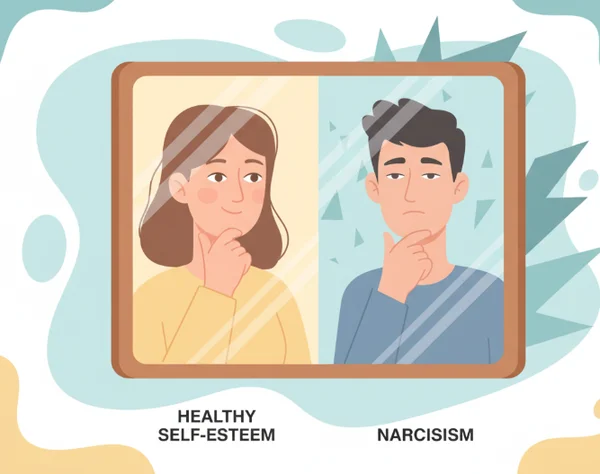
To truly grasp the concept of npd narcissism, it helps to view narcissism not as a single switch that is either on or off, but rather as a spectrum. Everyone has some narcissistic traits; they are actually a normal part of human development. However, NPD is an official mental health diagnosis with specific, rigid patterns of behavior.
Normal Narcissism vs. Trait Narcissism
"Normal" narcissism is closely linked to healthy self-esteem and the biological drive to survive and succeed. It allows us to set boundaries, take pride in our accomplishments, and advocate for our needs. On the other hand, someone might have a high level of "trait narcissism." This means they might frequently exhibit arrogance, selfishness, or a strong desire for attention, yet they are still able to adapt to their environment, maintain long-term relationships, and feel genuine remorse when they hurt others.
NPD (Narcissistic Personality Disorder)
The key difference between narcissism and NPD lies in severity, impairment, and inflexibility. NPD is a complex mental health condition recognized in the Diagnostic and Statistical Manual of Mental Disorders (DSM-5-TR). For a person with NPD, these traits are not just occasional behaviors; they are a rigid, pervasive pattern that significantly impairs their ability to function at work, in social settings, and especially in close relationships.
Key Signs You Might Be Dealing with Pathological Narcissism
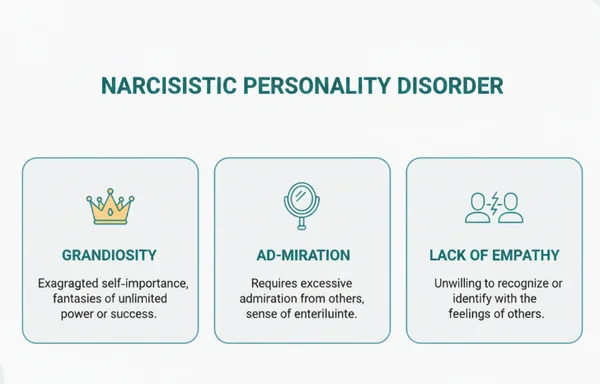
Understanding npd vs narcissism means recognizing when traits become pathological. According to psychological criteria, NPD involves a pervasive pattern of grandiosity, a constant need for admiration, and a significant lack of empathy for others.
A Pervasive Pattern of Grandiosity
Individuals with NPD often exhibit an exaggerated sense of self-importance. They may be preoccupied with fantasies of unlimited success, brilliance, or power. Unlike someone with high self-esteem who feels confident in their actual achievements, someone with pathological narcissism often expects to be recognized as superior even without the commensurate achievements to back it up.
Intense Craving for Admiration
While most people enjoy a compliment, those with NPD have an intense, constant craving for praise and admiration. If they do not receive it, they might feel deeply slighted or angry. This often comes with a strong sense of entitlement, leading to unreasonable expectations of favorable treatment or immediate compliance with their demands.
A Significant Lack of Empathy
Perhaps the most defining difference between npd and narcissism as a general trait is the profound struggle to recognize or identify with the feelings and needs of others. This lack of empathy can make it difficult to sustain healthy, reciprocal relationships, as the individual may unwittingly exploit others to achieve their own goals without feeling appropriate guilt.
Difficulty Handling Criticism
A hallmark of NPD is profound hypersensitivity to criticism. Even constructive feedback can trigger intense reactions, ranging from rage and contempt to withdrawing entirely from situations where they might fail or appear less than perfect.
Types of Pathological Narcissism: Grandiose vs. Vulnerable
Not all narcissism looks the same. Psychological research has identified that NPD can manifest in different ways, broadly categorized into grandiose and vulnerable forms.
Grandiose (Thick-Skinned) Narcissism
This is the stereotype most people picture when they think of narcissism npd. Grandiose narcissism is characterized by overt arrogance, social dominance, and exhibitionism. People exhibiting this pattern are highly visible, assertive, and seemingly impenetrable to the opinions of others.
Vulnerable (Thin-Skinned) Narcissism
Vulnerable narcissism is much quieter and harder to detect. Individuals with this presentation may appear shy, reserved, or even highly sensitive. However, beneath the surface, they harbor a secret sense of superiority and are intensely preoccupied with themselves. They often struggle with deep feelings of shame, inferiority, and a hypersensitivity to how others perceive them.
Exploring Your Inner World: Why Self-Reflection Matters
If you are reading this and wondering about your own patterns, or why certain relationships in your life feel uniquely draining, you have already taken the most important first step: self-reflection. Gaining clarity on your personality patterns is not about assigning labels or making a diagnosis; it is about empowerment, understanding, and personal growth.

Try the Personality Disorder Test
If you are curious to explore whether certain markers resonate with your experiences, try the personality disorder test. This tool is designed as a secure, scientifically-informed screener to help you reflect on your typical behaviors, emotional reactions, and interpersonal patterns.
It is important to remember that this tool is strictly for educational purposes and self-reflection. An online test cannot diagnose NPD or any mental health condition. However, it can provide you with initial insights and a helpful framework to organize your thoughts before deciding on your next steps.
Coping Strategies and When to Seek Professional Support
Living with or being in a relationship involving pathological narcissism vs npd traits can be incredibly challenging. Here are a few ways to approach the situation safely.
Setting Boundaries in Relationships
If you feel someone in your life is displaying traits of NPD, establishing and maintaining clear, firm boundaries is essential. Focus on what you can control: your own reactions and your own limits. Do not expect to change the other person, but rather focus on protecting your own emotional well-being.
Considering Therapy and Professional Help
Treatment for NPD primarily involves long-term psychotherapy, such as Psychodynamic Therapy or Cognitive Behavioral Therapy (CBT). The goal is to help individuals develop a more realistic self-image and improve their emotional regulation.
If you are struggling with the impact of these traits—whether within yourself or because of someone else—reaching out to a licensed mental health professional is always the recommended course of action. A qualified therapist can provide a proper evaluation, offer tailored coping strategies, and support you through your journey.
Frequently Asked Questions
What is the difference between narcissism and NPD?
Narcissism is a personality trait that exists on a spectrum in the general population, often related to self-esteem and confidence. NPD (Narcissistic Personality Disorder), however, is a clinical diagnosis characterized by an inflexible, pervasive pattern of grandiosity, a constant need for admiration, and a significant lack of empathy that impairs daily functioning.
Can someone have narcissistic traits without having NPD?
Yes, absolutely. Many people display narcissistic traits—such as occasional arrogance or selfishness—without meeting the specific criteria required for a diagnosis of NPD outlined in the DSM-5-TR.
What causes NPD?
The exact cause is unknown, but it is believed to result from a complex mix of genetics, biology, and environment. Childhood experiences, such as excessive pampering, overly high expectations, or, conversely, neglect and abuse, are thought to play a significant role.
Can NPD be cured or treated?
While there is no "cure" or specific medication for NPD, it can be treated. Long-term talk therapy (psychotherapy) can be highly effective in helping individuals understand their behaviors, improve their ability to relate to others, and manage their emotions safely. You can explore our personality disorder test online as a gentle first step toward understanding your traits before seeking formal therapy.