Psychological Test: Types, Examples, and What Online Results Can Tell You
A psychological test can feel simple on the surface: answer questions, receive a score, and try to understand what it means. In practice, the phrase covers many different tools, from classroom screening questionnaires to formal evaluations run by licensed professionals. If you are comparing a psychological test online free with a longer clinical assessment, the most useful first step is knowing what each option can and cannot tell you. For readers exploring personality patterns, a private self-reflection tool can be a gentle starting point, as long as the result is treated as educational information rather than a final clinical answer.
What Is a Psychological Test?
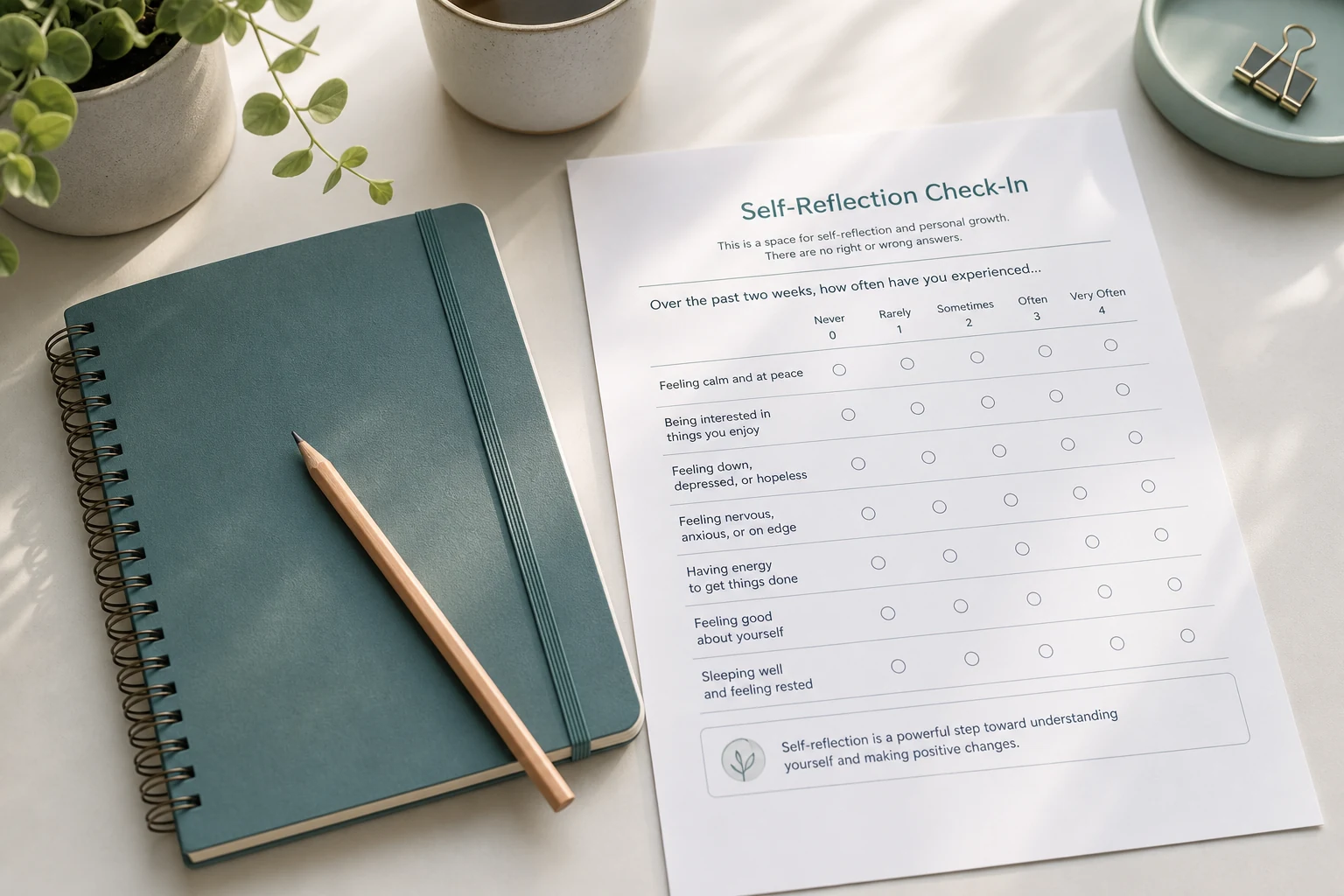
A psychological test is a structured way to gather information about thoughts, feelings, behavior, skills, personality traits, or patterns of functioning. Some tests use rating scales, where a person marks how often a statement feels true. Others use problem-solving tasks, interview questions, observation, or performance activities.
The key word is structured. A good test is not just a random list of interesting questions. It is designed for a defined purpose, administered in a consistent way, and interpreted with attention to context. That context might include age, culture, language, health history, school or work demands, current stress, and the reason the test is being used.
This is why a quick online psychology test and a formal psychological evaluation are not the same thing. A free online tool can help you notice patterns and decide what to learn about next. A formal evaluation usually combines multiple sources of information, such as standardized tests, interviews, records, and professional judgment.
Common Psychological Test Types
People often search for psychological test types because the word "test" is used for many different things. These are the broad categories most readers are likely to meet:
| Type | What it usually explores | Common setting |
|---|---|---|
| Personality questionnaires | Traits, relationship patterns, coping style, emotional habits | Therapy, self-reflection, research, career settings |
| Cognitive or IQ tests | Reasoning, memory, processing speed, problem solving | School, clinical, neuropsychological evaluation |
| Achievement tests | Skills in reading, math, writing, or academic subjects | Schools, learning evaluations |
| Neuropsychological tests | Attention, memory, language, executive function, brain-related skills | Medical or clinical referral |
| Behavioral assessments | Observable patterns across home, school, work, or relationships | Child, school, workplace, or therapy settings |
| Projective or picture-based methods | Themes in perception, storytelling, or emotional meaning | Specialized clinical use |
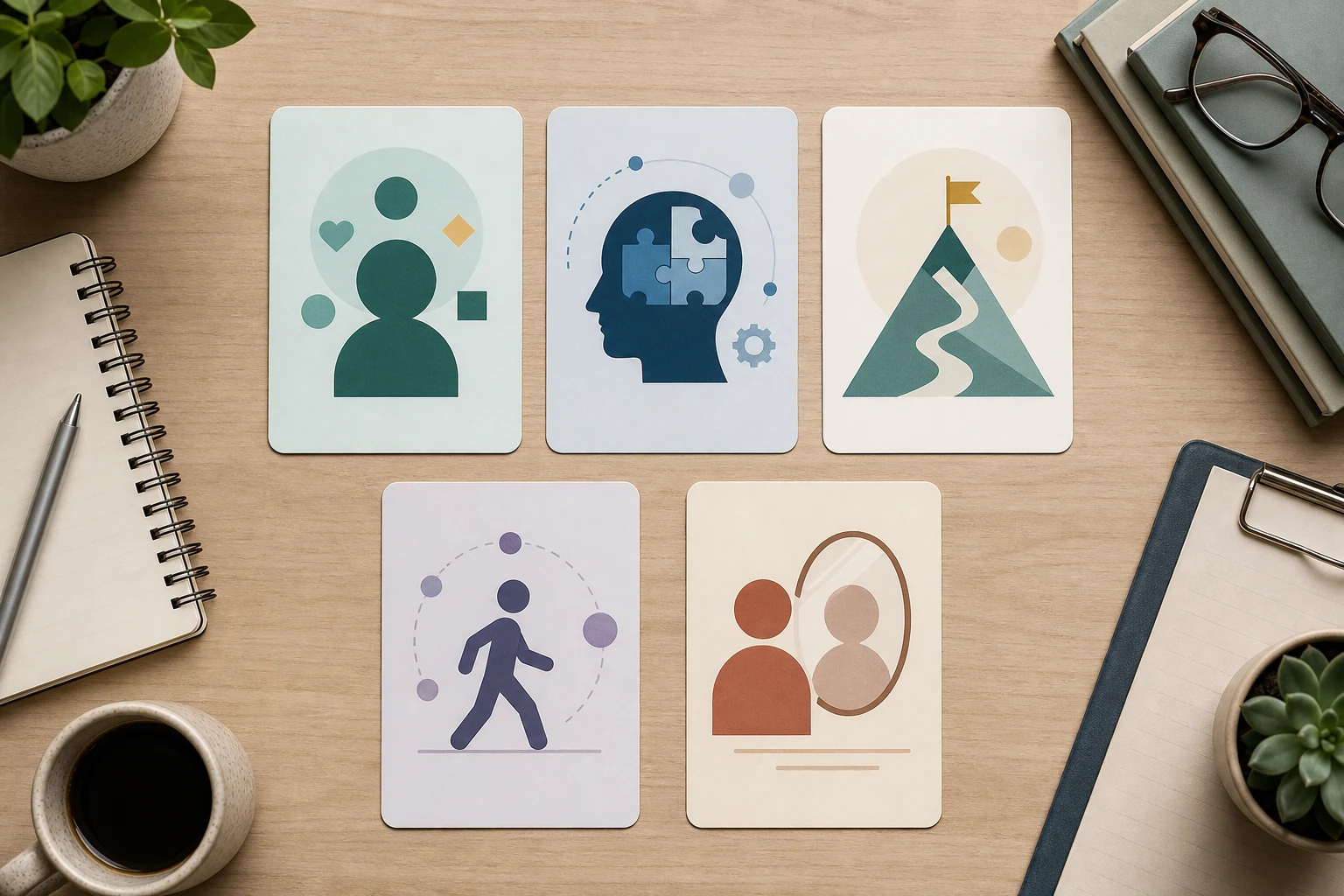
No single category is automatically better than another. The right psychological test depends on the question being asked. A student struggling with reading may need an achievement and learning assessment. A worker applying for a role may encounter employment-related personality or aptitude measures. A person trying to understand recurring relationship conflict may begin with a personality-focused questionnaire and later discuss the pattern with a mental health professional.
A Psychological Test Example, Without Turning It Into an Answer Key
A safe psychological test example is a rating-scale item such as: "I find it hard to calm down after conflict." A person might choose from options like strongly disagree, disagree, neutral, agree, or strongly agree. One item alone does not say much. A full scale looks for patterns across many items, including how consistently a person responds and how the answers relate to the construct being measured.
For personality-related self-reflection, example areas might include emotional regulation, trust, boundaries, impulsivity, avoidance, fear of rejection, rigidity, or sensitivity to criticism. A well-designed questionnaire asks about patterns over time, not just one bad day.
If you are searching for psychological test questions and answers pdf, be cautious. Practice materials can be useful for learning what a format looks like, especially for school or employment aptitude tests. But answer-key hunting can make results less meaningful. For mental health and personality questionnaires, rehearsed answers can also hide the very patterns you are trying to understand.
Free Online Psychological Tests: Useful, But Limited
A psychological test free search usually means the person wants something accessible, private, and low pressure. That is understandable. Online tools can lower the barrier to reflection, especially for topics that feel sensitive or hard to bring up in conversation.
The best use of a free online psychological test is pattern spotting. It may help you notice that certain questions feel familiar, that a result matches an ongoing concern, or that you want clearer language for a conversation with a therapist. It may also reassure you that a single score is not the whole story.
For personality disorder traits specifically, an educational personality pattern screener can help organize your reflections before you read more or speak with someone qualified. The result should not be treated as a clinical label. It is a structured prompt for thinking about patterns, not a replacement for a professional evaluation.
When choosing an online tool, look for plain language about limits, privacy, age guidance, and how results should be interpreted. Be wary of any page that makes certainty claims, uses fear to push action, or suggests that a short quiz can fully explain your mental health.
Psychological Test for Students, Employment, and Personal Insight
The same phrase can mean different things depending on context.
For students, a psychological test may be part of learning support, giftedness evaluation, attention concerns, school accommodations, or emotional wellbeing screening. The most helpful tests are selected around a specific question: What is getting in the way of learning? Which supports might help? What strengths can be used?
For employment, psychological tests may measure work style, reasoning, judgment, personality preferences, or job-related competencies. These tools should be relevant to the role and used fairly. A workplace test is not the same as a therapy assessment, and it should not be read as a complete picture of a person.
For personal insight, a psychological test may be a self-report questionnaire used to explore personality, stress, attachment, mood, or behavior patterns. This is where expectations matter most. A result can be useful if it helps you ask better questions: When does this pattern show up? How intense is it? Does it affect relationships, school, work, or daily functioning? What support would be reasonable?
How to Read Psychological Test Results More Carefully
Results are easier to use when you read them as clues, not verdicts. A few practical checks can keep the information grounded:
- Check the purpose. Was the tool made for self-reflection, screening, education, school support, employment, or formal clinical evaluation?
- Check the timeframe. Is it asking about recent feelings, lifelong patterns, or behavior across settings?
- Check the method. Is it self-report only, or does it include observation, records, interviews, and standardized scoring?
- Check your current state. Sleep loss, grief, conflict, illness, or acute stress can influence how you answer.
- Check the next step. Does the result suggest reflection, professional discussion, accommodations, or further assessment?
Reliability and validity matter here. In simple terms, reliability asks whether a test gives reasonably consistent information under appropriate conditions. Validity asks whether the interpretation is supported for the intended use. A tool can be useful for one purpose and weak for another. For example, a brief online questionnaire might be helpful for reflection but insufficient for school accommodations, employment decisions, or clinical planning.
How to Prepare for a Psychological Test Without Overpreparing
Many people ask how to pass a psychological test. For most mental health and personality measures, the healthier goal is not to "pass" but to respond honestly and understand the purpose. Trying to perform a perfect version of yourself can make the result less useful.
Use this simple preparation checklist:
- Sleep as well as you reasonably can before a formal appointment.
- Bring glasses, hearing aids, medication information, or relevant documents if requested.
- Ask what the test is for and how results will be used.
- Tell the evaluator about language, attention, health, or accessibility needs.
- Answer based on your usual patterns, not only your best or worst day.
- Ask when and how feedback will be explained.
For employment or academic aptitude tests, practice can help you understand timing and format. For personality or mental health questionnaires, memorizing "right" answers is usually counterproductive. The goal is a more accurate picture, not a performance.
When a Formal Evaluation Makes More Sense
An online psychological test may be enough when your goal is education, curiosity, or early reflection. A formal evaluation may make more sense when the result could affect treatment planning, school accommodations, disability documentation, medication decisions, workplace accommodations, legal questions, or major life choices.
Consider professional support sooner if distress is intense, patterns are affecting daily functioning, or you feel unsafe. A qualified professional can integrate test results with interview information, history, risk factors, strengths, and current circumstances. That fuller picture is especially important for mental health topics because similar symptoms can have different causes.
It can also help to bring online results into a conversation. You might say, "This result made me wonder about emotional regulation and relationship patterns. Can we talk about whether it fits my broader history?" That keeps the tool in its proper role: a conversation starter.
Use a Psychological Test as a Starting Point for Reflection
A psychological test is most helpful when it leads to better questions, not rigid self-labeling. You might use it to name a pattern, compare experiences over time, prepare for a therapy conversation, or decide which topic to read about next. If the result feels upsetting, pause before treating it as a fixed truth. Look for context, repeat patterns, and support.
For personality-related concerns, a gentle online screening experience can help you explore traits privately and then move toward more informed next steps. Use the result as a map note, not the whole map. The most meaningful insight usually comes from combining structured tools with honest reflection, trusted feedback, and professional guidance when needed.
FAQ
What are the 5 psychological tests?
There is no single universal list of five, but common categories include personality tests, cognitive or IQ tests, achievement tests, neuropsychological tests, and behavioral assessments. Some lists also include aptitude, interest, or projective methods depending on the setting.
What is the psychological test?
A psychological test is a structured tool used to measure or explore mental, emotional, behavioral, personality, or cognitive patterns. It may be a questionnaire, task, interview-based measure, observation system, or part of a larger evaluation.
What are the 4 psychological tests?
Many introductory explanations group tests into four broad areas: intelligence or cognitive tests, personality tests, achievement or aptitude tests, and behavioral or clinical screening tools. The best grouping depends on the purpose of testing.
How can I pass my psychological test?
For personality and mental health tests, focus on honest, consistent answers rather than trying to pass. For school or employment aptitude tests, understand the format, rest beforehand, manage time, and follow instructions carefully.
Are free online psychological tests accurate?
They can be useful for education and self-reflection, but accuracy depends on design, purpose, wording, scoring, and how the result is interpreted. A free online test should not be treated as a formal clinical evaluation.
Is a psychological test PDF enough for real results?
A PDF can explain concepts or show example formats, but it usually cannot replace proper administration, scoring, interpretation, and context. Be especially cautious with answer-key PDFs for mental health or personality topics.
What psychological test name should I search for?
Search by your goal rather than only by a test name. For example, use terms like personality questionnaire, learning assessment, neuropsychological evaluation, employment aptitude test, or personality pattern screener.