Subtle Signs of Personality Disorders: Recognizing Patterns with a Personality Disorder Test
Have you ever wondered if certain persistent behaviors in yourself or someone you know might be more than just quirks? Understanding the signs of personality disorders can be difficult. They often appear as subtle, long-term patterns rather than obvious, isolated incidents. These patterns can affect how a person thinks, feels, and relates to others, creating challenges in daily life.
We've created this guide to help you understand these nuances. We will explore real-life examples of these subtle signs across different settings, like work and personal relationships. Recognizing these patterns is a crucial first step toward self-awareness and understanding. If you find yourself relating to these descriptions, a structured assessment could provide clarity. A confidential and scientifically-informed personality disorder test can offer initial insights to help you plan your next steps.

Workplace Behavior Patterns That Might Indicate Personality Traits
The professional environment is often where underlying personality traits become most visible. The daily pressures of deadlines, collaboration, and social interactions can highlight enduring patterns of behavior that might otherwise go unnoticed. Paying attention to these workplace dynamics can reveal a lot.
Recognizing Rigidity and Perfectionism in Professional Settings
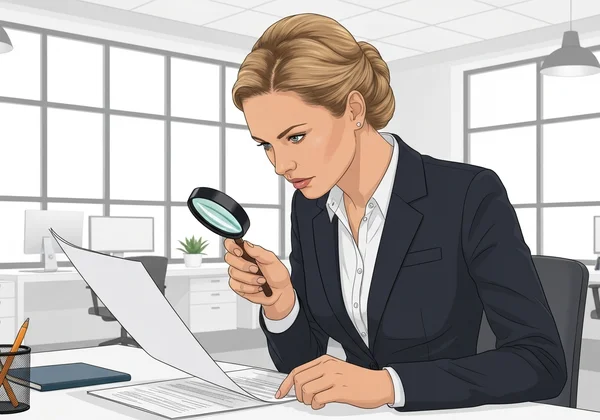
Everyone appreciates a detail-oriented colleague, but when does it cross a line? For some, perfectionism isn't just a desire for quality work—it's an inflexible demand that can harm productivity and relationships. This rigid behavior may point toward traits associated with Obsessive-Compulsive Personality Disorder (OCPD). Note that this is different from OCD, which involves intrusive thoughts and compulsive behaviors.
A person with these traits might become overly preoccupied with rules, lists, and minor details, often losing sight of the main goal. They may insist that tasks be done exactly their way, refusing to delegate out of fear that others won't meet their impossibly high standards. Additionally, they might work excessively to the point of neglecting personal relationships and relaxation, driven by a need for control rather than financial necessity.
This rigidity can create a stressful environment for the entire team. While a strong work ethic is valued, this level of inflexibility often leads to burnout and strained professional relationships. If these patterns feel familiar, gaining more self-awareness is a helpful next step. You can begin exploring these traits with a free online screening.
Understanding Social Avoidance or Attention-Seeking Colleagues
The modern workplace is highly social. How colleagues navigate this social landscape can also offer clues. On one end, you might see extreme social avoidance, while on the other, a constant need to be the center of attention.
A colleague with avoidant tendencies may consistently turn down team lunches, avoid speaking up in meetings, and seem overly sensitive to criticism. This isn't just shyness; it's a pervasive pattern of feeling inadequate and fearing rejection, which aligns with traits of Avoidant Personality Disorder. They may long for connection but feel too inhibited to pursue it.
Conversely, a colleague with histrionic traits might dominate conversations, dress provocatively to draw focus, and display overly dramatic emotional reactions to minor events. They often feel uncomfortable when they are not the center of attention and may use charm and enthusiasm to manipulate social situations. While they can be engaging at first, their need for constant validation can become draining for those around them.
Relationship Red Flags and Social Pattern Recognition
Our closest relationships—with partners, family, and friends—are often the most powerful mirrors of our personality. It's here that deep-seated patterns of attachment, emotion, and empathy truly come to the surface. Recognizing these social patterns is key to understanding relational health.
Identifying Emotional Instability in Personal Relationships
Do your relationships feel like an emotional roller coaster? Intense, unstable relationships are a core feature associated with Borderline Personality Disorder (BPD) traits. This isn't about having a bad day or a normal argument; it's a persistent pattern of extreme emotional swings that can feel chaotic and unpredictable.
Key signs of emotional instability in relationships include:
- Intense mood swings: Shifting rapidly from idealizing a partner ("You're the most amazing person ever") to devaluing them ("I hate you, never talk to me again") over minor conflicts.
- Fear of abandonment: An overwhelming fear that loved ones will leave, leading to desperate attempts to avoid real or imagined separation.
- Unstable self-image: A fluctuating sense of self, causing frequent changes in goals, values, friendships, and even identity.
- Impulsive behavior: Engaging in risky behaviors like reckless spending, unsafe sex, or substance abuse, especially during periods of emotional distress.
Living with or loving someone with these traits can be incredibly challenging. If these patterns describe your own experiences, remember that understanding is the first step toward managing them. An initial self-assessment tool can help you identify areas for further exploration.

Narcissistic Tendencies: Grandiosity and Lack of Empathy
Relationships with individuals showing narcissistic tendencies often feel one-sided. These patterns are characterized by an inflated sense of self-importance, a deep need for excessive admiration, and a striking lack of empathy for others.
In a relationship, this can manifest as:
- A sense of entitlement: The person genuinely believes they deserve special treatment and becomes angry when they don't receive it.
- Exploitative behavior: They may take advantage of others to achieve their own ends, seeing people as tools rather than individuals with feelings.
- Inability to recognize others' needs: They struggle to understand or care about the feelings and needs of their partner, family, or friends.
- Constant need for praise: Their self-esteem is fragile and depends on constant validation from others.
While confidence is a healthy trait, grandiosity and a lack of empathy are relationship red flags. Over time, these behaviors can erode trust and create a toxic dynamic.
Trust Issues and Suspicious Behavior in Social Connections
Trust is the foundation of any healthy connection. For individuals with paranoid personality traits, building and maintaining that trust feels nearly impossible. They often live with a pervasive and unjustified suspicion that others are trying to harm, deceive, or exploit them.
This pattern can show up as:
- Constantly questioning the loyalty or trustworthiness of friends and partners without any basis.
- Being reluctant to confide in others for fear that the information will be used against them.
- Reading hidden, demeaning, or threatening meanings into harmless remarks or events.
- Holding long-standing grudges and being unforgiving of insults or slights.
This persistent suspicion makes it incredibly difficult to form close bonds, leading to social isolation and loneliness. Recognizing this pattern is vital for anyone struggling to build lasting, meaningful relationships.
Differentiating Personality Patterns from Normal Variations
Everyone has occasional off days or moments of insecurity. What distinguishes a potential personality disorder is the persistence and pervasiveness of these patterns. When traits appear consistently across many situations, continue for years, and significantly impact your life or relationships, they may warrant professional attention.
This article is not a diagnostic tool. Its purpose is to help you recognize subtle patterns that may warrant a closer look. If you see yourself or a loved one in these descriptions, it's not a reason to panic or self-diagnose. Instead, see it as an opportunity for greater self-awareness.
The next step is to gather more objective information. A confidential and structured screening can help you organize your thoughts and identify specific areas of concern. If you're ready to take that step, you can start your free test on our homepage. It's a simple, user-friendly way to gain initial insights and decide on the best path forward.

FAQ Section
What are the 10 signs of personality disorder in daily life?
While not a formal checklist, some common indicators include: a chronic fear of abandonment, unstable relationships, unclear or shifting self-image, impulsive or self-destructive behaviors, extreme emotional swings, chronic feelings of emptiness, inappropriate anger, feeling suspicious of others, a strong need to be the center of attention, and a lack of empathy.
How can I tell if my relationship is affected by personality disorder traits?
Look for persistent patterns, not isolated incidents. Key signs include constant emotional upheaval, a feeling that you are "walking on eggshells," a significant lack of empathy from your partner, intense jealousy or control, and a cycle of idealizing and then devaluing you. If these feel familiar, it may be helpful to explore further with a confidential screening.
What's the difference between personality quirks and actual personality disorder indicators?
The difference lies in severity, persistence, and impact. A quirk is a unique habit that doesn't cause major problems (e.g., always wearing a certain color). An indicator of a personality disorder is a deep-rooted, inflexible pattern of behavior that negatively affects work, relationships, and one's own well-being across many years.
Can workplace behavior really indicate personality disorders?
Yes, the workplace is a structured environment where interpersonal and behavioral patterns become very clear. Issues like extreme rigidity, an inability to handle criticism, chronic conflict with colleagues, or intense social avoidance can be strong indicators of underlying personality traits that cause significant functional impairment. Gaining insight into these patterns is a productive first step. You can try our free tool to learn more.