Understanding Quiet BPD: Internalized Symptoms & Self-Test
Do you often feel like you're riding an intense emotional rollercoaster on the inside, yet you manage to appear calm and collected to the outside world? This hidden struggle, a presentation often called "Quiet" Borderline Personality Disorder (Quiet BPD), can feel deeply isolating and confusing. You might question your own feelings because they don't match the dramatic portrayals of BPD you see in media.
This guide offers insights into what you might be experiencing internally. We'll explore the internalized symptoms of Quiet BPD, how they differ from more externalized traits, and their impact on daily life. Most importantly, we'll guide you toward self-recognition and show you how a scientifically-informed online screening tool can be a helpful first step on your journey to clarity.
What is Quiet BPD? Differentiating Internalized Traits
Quiet BPD is not an official clinical diagnosis but a term used to describe a way that traits of Borderline Personality Disorder can manifest. While the core challenges—like emotional instability, fear of abandonment, and an unstable sense of self—are the same, the way they are expressed is very different. It’s about the direction the emotional turmoil travels: inward, not outward.
The Core Difference: Internal vs. External BPD Symptoms
People with BPD traits often experience intense emotions. The main difference lies in how they cope with this intensity.
- Externalized Symptoms ("Acting Out"): This is the more commonly recognized presentation. It can involve intense emotional outbursts, impulsive actions, and visible anger directed at others. The distress is projected outward.
- Internalized Symptoms ("Acting In"): In Quiet BPD, the distress is turned inward. Instead of explosive anger, there might be intense self-blame, shame, and guilt. Instead of lashing out, a person might withdraw, go silent, or blame themselves for any conflict.
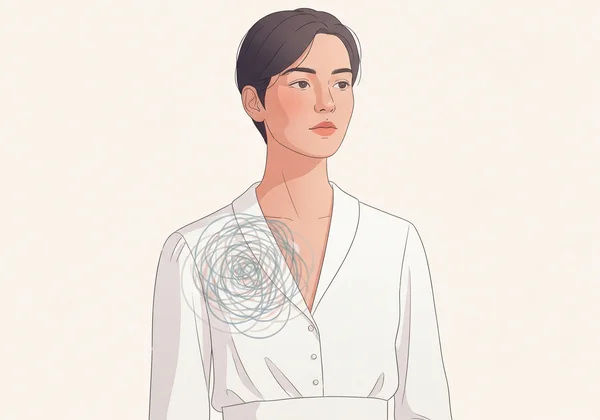
This internalizing pattern means that the struggle is often invisible to others. Friends, family, and even colleagues might see you as shy, sensitive, or perhaps a bit moody, never guessing the profound storm raging beneath the surface.

Why "Quiet"? Unpacking the Hidden Struggle
The term "quiet" refers to the hidden nature of the symptoms, not a lack of suffering. Individuals with these traits often go to great lengths to hide their pain. This can happen for several reasons:
- Intense Fear of Abandonment: A core BPD trait is a deep fear of being left alone. A person with quiet traits might believe that expressing anger or neediness will drive people away. So, they suppress their feelings to avoid rejection.
- Overwhelming Guilt and Shame: They may feel that their emotions are a burden to others or that their needs are invalid. This leads to a cycle of self-blame where they internalize problems and take responsibility for things that aren't their fault.
- A History of Being Invalidated: Many have learned from a young age that their emotions are "too much" for others. They learn to silence their own feelings as a survival mechanism.
Understanding this distinction is the first step toward recognizing that your internal experience is valid, even if no one else can see it. For initial insights, a free assessment can help you identify patterns in your own life.
Recognizing Quiet Borderline Symptoms in Daily Life
Because the symptoms are internalized, recognizing them requires deep self-reflection. They often manifest in subtle but painful ways across different areas of life, from your emotional state to your relationships.
Emotional Dysregulation: The Inner Storm
Emotional dysregulation is the difficulty in managing emotional responses. For someone with quiet BPD traits, this isn't about public meltdowns. Instead, it’s an internal hurricane.
- You might experience rapid and intense mood swings, shifting from anxiety to depression to emptiness within a few hours.
- Feelings of shame, self-hatred, and worthlessness are common and can be triggered by minor events.
- You may engage in "emotional numbing," where you feel disconnected or empty as a way to cope with overwhelming feelings.
This inner chaos is exhausting, yet you might spend all your energy making sure no one else sees it.

Relationship Challenges: Silent Suffering and Avoidance
Relationships are often at the center of the struggle for individuals with BPD traits. In the quiet presentation, this can look like:
- Idealizing and Devaluing Internally: You might put a friend or partner on a pedestal, only to become intensely disappointed and critical of them in your own mind. You rarely express this, but instead, you might pull away emotionally.
- Fear-Driven People-Pleasing: You may constantly try to be what you think others want you to be, changing your identity or interests to avoid rejection.
- Withdrawing During Conflict: When you feel hurt or angry, instead of starting a fight, you might shut down completely. This silence can be a way of punishing yourself or avoiding the risk of abandonment.
This pattern can lead to a series of short-lived, intense friendships or a feeling of being lonely even when surrounded by people.
Self-Perception and Identity: A Shifting Sense of Self
A stable sense of self is something many people take for granted. For someone with BPD traits, this can feel like a constant puzzle.
- Chronic Feelings of Emptiness: You might feel a void or a sense that something fundamental is missing inside you.
- "Chameleon" Identity: Your personality, goals, and values may shift depending on who you are with. You might feel like you don't know who you truly are when you're alone.
- Harsh Self-Criticism: You are often your own worst critic, holding yourself to impossible standards and punishing yourself for any perceived failure.
If these patterns feel familiar, know that you are not alone. Recognizing them is a powerful step toward understanding and healing.
Navigating Life with Quiet BPD Traits: Strategies & Support
Identifying with quiet BPD traits can be both a relief and a challenge. The relief comes from finally having a name for your experience. The challenge is figuring out what to do next. The good news is that there are practical steps you can take to manage your feelings and seek the right support.
Practical Self-Management Techniques for Internalized BPD
While professional therapy is the most effective treatment, certain self-help strategies can provide immediate support.
- Mindfulness and Grounding: When your emotions feel overwhelming, grounding techniques can bring you back to the present moment. Focus on your five senses: name five things you can see, four you can touch, three you can hear, two you can smell, and one you can taste.
- Journaling to Understand Emotions: Instead of bottling up your feelings, write them down without judgment. This can help you identify your emotional triggers and understand the patterns in your mood swings.
- Challenge Self-Criticism: When you notice harsh self-talk, stop and ask yourself: "Would I say this to a friend?" Try to replace the critical thought with a more compassionate and realistic one.
These techniques are tools to help you cope, not replacements for professional care.
When and How to Seek Professional Guidance
Self-awareness is the first step, but professional support is crucial for long-term well-being. Consider seeking help if:
- Your internal struggles are significantly impacting your work, school, or relationships.
- You constantly feel empty, hopeless, or overwhelmed.
- You are using unhealthy coping mechanisms to manage your pain.
A therapist specializing in personality disorders can provide therapies like Dialectical Behavior Therapy (DBT), which is highly effective for BPD traits. They can give you the tools to regulate emotions, improve relationships, and build a stable sense of self. To gain initial clarity on whether your experiences align with common patterns, you can start your test today.
Is a Quiet BPD Self-Test Right for You?

If you've been reading this and nodding along, you might be wondering if an online test could offer more clarity. A well-designed screening tool can be an excellent starting point for self-discovery, helping you organize your thoughts before speaking with a professional.
What a Screening Test Can (and Cannot) Tell You
It is essential to have the right expectations.
- What a Test CAN Do: A scientifically-informed screening tool can help you identify patterns of thought, emotion, and behavior that are commonly associated with personality disorder traits. It can provide you with a preliminary summary of areas that might warrant further attention. Think of it as a guide for self-reflection.
- What a Test CANNOT Do: An online test is not a diagnosis. A formal diagnosis can only be made by a qualified mental health professional, such as a psychiatrist or clinical psychologist, after a comprehensive evaluation.
Using a screening test is about gathering information and empowering yourself, not about labeling yourself.
Your Next Step: Taking the PersonalityDisorderTest.org Assessment
Our free, confidential test is designed to be a safe and accessible first step. It is based on established psychological principles and criteria, like those found in the DSM-5, to provide you with relevant and useful initial insights.
When you answer our thoughtful questions, you'll receive a summary highlighting potential areas of concern. This information can be valuable as you move forward, whether through further reading, self-management, or professional help. If you're ready to explore your inner world with more clarity, you can take the test now.
Empowering Your Journey: Next Steps with PersonalityDisorderTest.org
Recognizing Quiet BPD means validating your hidden struggle and acknowledging that your pain is real, even when it's invisible to others. The intense emotions, the self-blame, and the silent relationship challenges are not character flaws; they are symptoms of a complex condition that can be managed.
Recognizing these internalized traits is a courageous first step. The path forward involves self-compassion, learning new coping skills, and seeking professional support. Your journey to understanding yourself doesn't have to be walked alone.
If you are ready to take the next step toward self-awareness, our confidential screening can provide a valuable starting point. Get your initial insights and begin your path to clarity by taking our free personality disorder test.
Frequently Asked Questions About Quiet BPD and Testing
What is quiet borderline personality disorder?
Quiet BPD is not an official diagnosis but a term for a presentation of Borderline Personality Disorder where a person directs their emotional distress and turmoil inward ("acting in") rather than outward ("acting out"). This often involves intense self-blame, shame, withdrawal, and hidden emotional suffering.
How do quiet BPD symptoms differ from classic BPD?
The core symptoms are the same, but the expression differs. Classic BPD may involve external displays of anger, impulsive behavior, and visible relationship conflicts. Quiet BPD symptoms are internalized, leading to self-criticism, chronic emptiness, suppressing anger, and pulling away from relationships to avoid conflict or rejection.
Can a self-test accurately identify Quiet BPD traits?
A self-test cannot provide a diagnosis. However, a scientifically-informed screening tool can be very helpful for identifying patterns of behavior and emotion that align with BPD traits, including the more internalized "quiet" presentation. It serves as a preliminary step to encourage self-reflection and inform a future conversation with a professional. If you're curious, you can try our free tool to gain some initial insights.
What should I do if I suspect I have quiet BPD?
If you recognize yourself in the description of quiet BPD, the first step is to be compassionate with yourself. Consider exploring self-help resources, like mindfulness and journaling. Most importantly, it is highly recommended to seek an evaluation from a mental health professional who can provide an accurate diagnosis and guide you toward effective treatments like Dialectical Behavior Therapy (DBT).